
Refining Windows 10 Deployment with KMS Activation Methods
In environments where deploying many Windows 10 devices is crucial, the Key Management Service (KMS) is highly useful. The kms activation method efficiently activates Microsoft products in bulk, using a centralized server to manage activations without individual product keys.
Understanding the KMS Activation Method
The kms activation method requires setting up a KMS host server within your infrastructure. This server communicates with Microsoft’s licensing service and provides activation services to client systems on the network, simplifying license maintenance across multiple devices.
A single KMS host can support both Windows operating systems and Microsoft Office products, making it versatile for enterprises managing various software instances.
Setting Up a KMS Host
To configure a KMS host, start by installing the Volume Activation Services role on a Windows Server. Then activate your server using a valid KMS host key specific to your organization’s purchase agreement.
The slmgr command-line tool is essential in this setup phase, helping administrators install and configure licensing parameters efficiently.
KMS Client Setup
kms activation method in focus: this section adds concrete notes and a short checklist.
- The clients must connect to the internal network where they can access the activated KMS host.
- No special product key input is required on these machines; instead, they automatically attempt activation through DNS discovery of the KMS server.
- KMS clients require periodic reactivation every 180 days; however, this occurs automatically when connected to the network.
Advantages of Using KMS for Windows 10
The centralization offered by kms activation methods reduces administrative tasks significantly. Instead of managing separate product keys for each device, IT departments handle all activations through one interface. This streamlining is especially helpful when activating many machines at once during deployments or hardware refresh cycles.
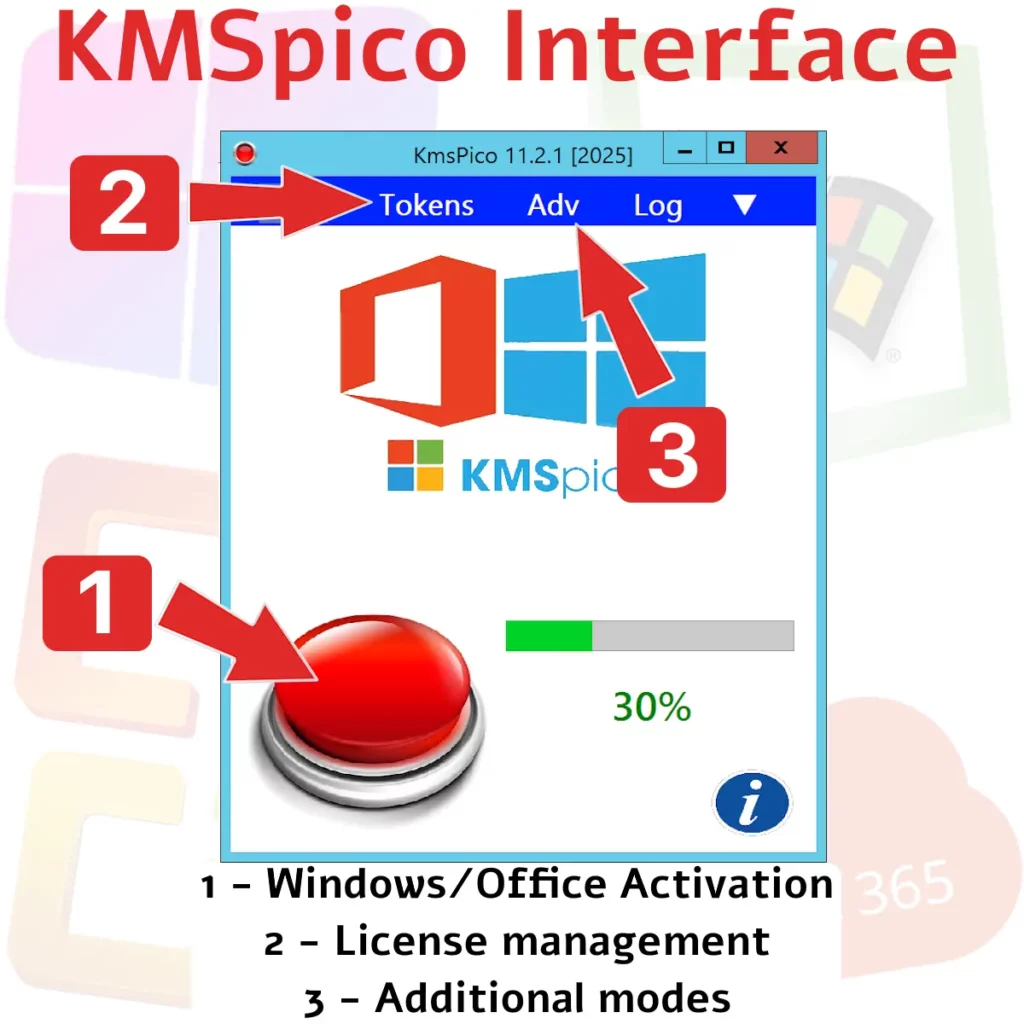
Practical Lab Constraints
For testing purposes, ensure that any virtual machines have at least 2 GB of RAM allocated and snapshots created at critical setup milestones to prevent resource bottlenecks that could affect activations due to insufficient system resources.
| Activator | Compatibility | License Duration | User Interface | |||||||
|---|---|---|---|---|---|---|---|---|---|---|
| KMSPico | Windows 10, Office | 180 Days (Renewable) | User-Friendly | KMSAuto Net | Windows, MS Office | Advanced Options | Microsoft Toolkit | Windows, Office Suite | Permanently with Re-activation | Technical Interface |
Navigating Common Issues with KMS Activation Method
Troubleshooting kmspico-related issues or fixing misconfigurations in your kms activation method can be straightforward if you know what signs to look for. A common issue arises from incorrect DNS configurations which impede automatic client-server communication within networks that rely on dynamic IP assignments heavily.
Diagnosing DNS Problems
The kms activation method in focus: this section adds concrete notes and a short checklist.
- Always verify that SRV records directed towards your designated KMS server are correctly set up in DNS settings.
- If clients cannot reach their intended endpoints while trying kmspico download processes or similar operations manual command checks might be necessary using tools like nslookup.
KmsPico Alternatives and Their Implications
KmsPico offers another means of achieving software activation but raises legality concerns due to its unofficial nature—particularly when labeled as kmspico official versions fail verification processes by genuine software standards from Microsoft itself.
Enhancing Efficiency Through Automation: Deploying Windows10 Activator Scripts
A compact metric highlights efficiency gain:
A reliable way forward is to capture errors verbatim, the environment limits, and the step order; check results on a clean image twice.